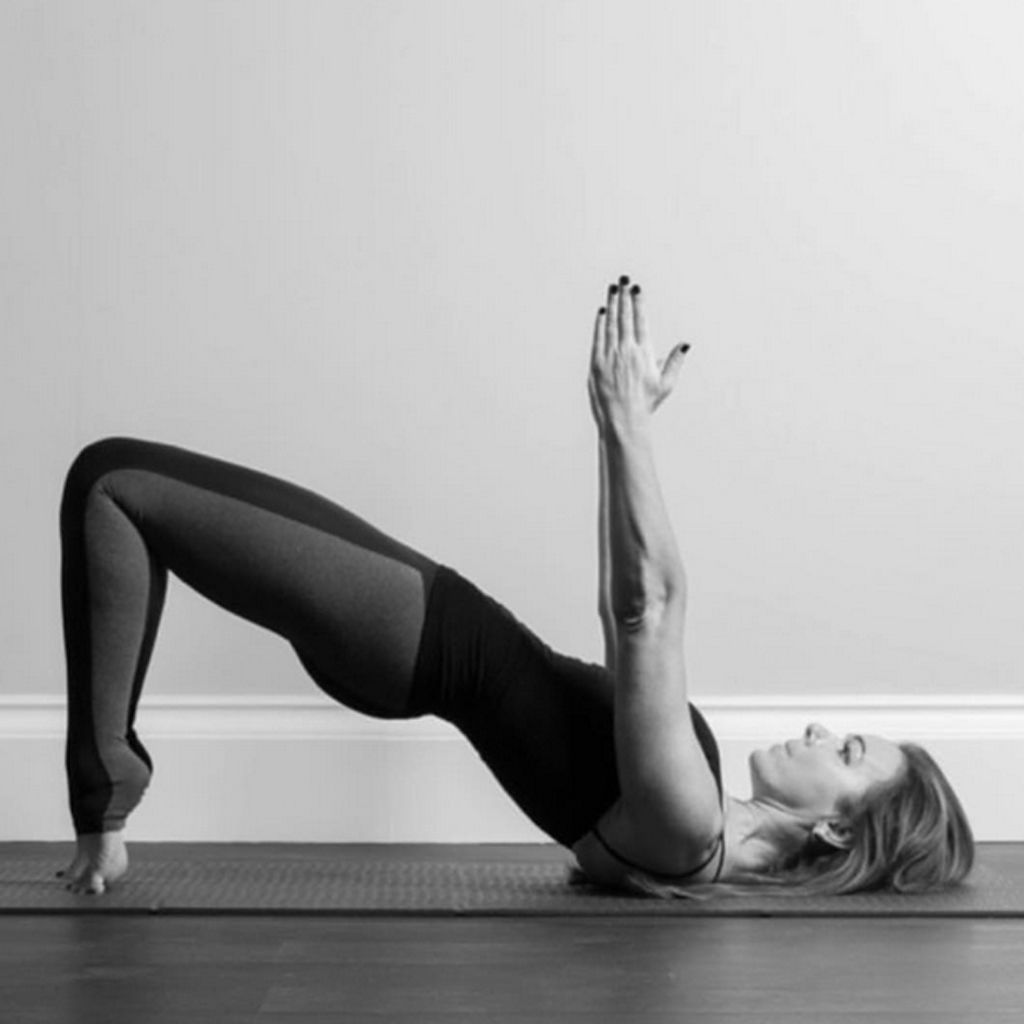
Back pain affects a large proportion of the population, and Pilates is one of the most commonly recommended forms of exercise for preventing and relieving it. Why this discipline in particular? What types of pain can it help with, and what precautions should you take before starting? Here are the key points, without any promises of miracles.
First and foremost, an important reminder: if you are experiencing persistent or severe pain, or have been diagnosed with a medical condition, please speak to your doctor or physiotherapist before you begin. Pilates supports movement; it is not a substitute for medical advice.
Why Pilates is often recommended for back problems
The Pilates method It primarily targets the deep muscles that stabilise the spine: the transverse abdominals, the pelvic floor and the paravertebral muscles. It is precisely this deep core that supports the back in everyday life.
By strengthening the core, working on segmental mobility and re-learning correct posture, Pilates helps to distribute stress rather than concentrating it on vulnerable areas. Breathing and movement control complement this work by releasing tension.
What types of pain can be treated with this method?
Whilst it is not a substitute for a medical diagnosis, Pilates is frequently recommended as a complementary treatment in a number of common situations:
- Pain associated with prolonged sitting and a sedentary lifestyle.
- So-called common lower back pain, once the acute phase has passed and with medical clearance.
- Getting back into exercise after pregnancy, to gently rebuild your core strength.
- Getting back into shape after a long break from sport.
In all these cases, the benefit of Pilates lies in its ability to tailor the intensity of the workout and adapt each exercise to the individual’s body.
A Reformer or a mat to relieve back pain?
The Reformer is often the preferred choice for the back: its spring-assisted resistance helps to support movement, reduce the load and ensure safe ranges of motion. Exercising on the carpet remains valuable for building core strength, but requires a supervised progression. To understand the differences, see our comparison Reformer or mat.
When it comes to relieving back pain, one-to-one sessions are generally the best way to start, as they allow you to focus entirely on your own sensations and limits. Discover our private lessons.
The key principles of safe practice
A few pointers for a safe and beneficial practice:
- Progress slowly: precision always takes precedence over intensity or range of motion.
- Follow the ‘no pain’ rule: an exercise must never cause or worsen your pain.
- Please inform your instructor of your medical history so that she can adapt or replace certain movements.
- Focus on consistency: one or two sessions a week are better than a single, intense session.
When to seek advice before you start
Consult a healthcare professional before starting if you are experiencing acute pain or pain radiating down one leg, tingling, a diagnosed spinal condition (herniated disc, severe scoliosis, osteoporosis), or if you are recovering from surgery. Medical advice will help ensure you can practise safely.
Relieve back pain with Pilates in Cannes
At Studio 45, the approach is rooted in the tradition of the Joseph Pilates method and prioritises personalised support, supervised by Sophie Margolis, a certified instructor. To get off to a gentle start, a taster session helps you assess your needs.
To find out more, take a look at our studio You contact us to discuss your situation.
Frequently Asked Questions
Can Pilates get rid of my back pain?
Pilates helps to strengthen the deep muscles, improve posture and relieve many common aches and pains, but it is not a medical treatment. If you have a medical condition, it should be undertaken alongside care from a healthcare professional.
Can I do Pilates whilst suffering from lower back pain?
During an acute phase, it is best to seek advice from a doctor or physiotherapist. Pilates is generally recommended once the severe pain has subsided, to rebuild a protective core.
How many sessions will it take before I feel some relief?
It varies from person to person, but many people notice an improvement in their posture and a reduction in tension after a few weeks of regular practice, at a rate of one to two sessions a week.
Is Pilates suitable after pregnancy?
Yes, it is a practice often chosen in the postnatal period to regain a deep sense of centre, once perineal rehabilitation has been completed and with the approval of your healthcare professional.
Our aim is simple: to help you choose a workout that suits your fitness level, your goals and your schedule, without any unnecessary jargon.
Why is Pilates so popular in Cannes?
The Pilates method is based on core work, controlled breathing and precision of movement. Unlike high-impact exercise, it strengthens the deep muscles, improves posture and mobility, and reduces tension caused by a sedentary lifestyle or stress.
In Cannes, where the pace of life can be hectic and where many people spend long hours sitting at work, this approach meets a real need: to regain flexibility, relieve back pain and boost energy levels, without causing injury. It is also a discipline suitable for all ages and all levels, from complete beginners to athletes looking to round off their training.
The different types of Pilates classes
Before choosing a studio, it is important to understand the two main types of practice. The equipment used makes a huge difference to the experience and the results.
Pilates on the Reformer
The Reformer is the discipline’s signature piece of equipment: a sliding carriage fitted with springs that provide adjustable resistance. It allows for highly precise, progressive and safe exercise, making it ideal for deep muscle strengthening, correcting imbalances and supporting rehabilitation. It is often the preferred choice for those seeking visible results and close supervision.
Mat Pilates
Mat Pilates uses your own body weight and a few pieces of equipment (a ring, resistance bands, a ball). Whilst it may appear more accessible, it actually requires good core strength. It is an excellent introduction to understanding the fundamentals of the method before, perhaps, moving on to machine-based exercises.
Group, pair, trio or private lessons: which should you choose?
The format is just as important as the equipment. The right choice depends on your budget, how much attention you need, and whether you prefer to practise on your own or with others.
- Private lessons : a fully personalised training programme, ideal for getting started with confidence, tackling a specific issue (back problems, postnatal recovery, returning to sport) or making rapid progress. Discover our private lessons in Cannes.
- The pair class : the same level of care, shared between two people. Perfect for practising with a loved one whilst keeping costs down. See the one-to-one lessons.
- The trio class : an excellent balance between personalised support and group motivation. See the trio lessons.
- The taster session : the best way to try out the method and see if the studio’s right for you. Book a introductory course.
How to spot a good Pilates studio in Cannes
Not all studios are the same. Here are the criteria that really make a difference to the quality and safety of your practice.
Instructor certification. Proper Pilates training takes hundreds of hours. Find out about your instructor’s background. At Studio 45, classes are led by Sophie Margolis, a certified instructor.
Adherence to the original method. Authentic Pilates follows a clear pedagogical tradition, dating back to Joseph Pilates right up to the great contemporary transmitters. We practise in the tradition of the the Joseph Pilates method and the Romana Kryzanowska’s lineage, ensuring precise work that is gentle on the body.
The number of participants. A good studio keeps class sizes small to ensure proper supervision and personalised feedback, whereas a crowded studio leaves everyone to their own devices.
How much does a Pilates class cost in Cannes?
The price of a Pilates class varies depending on the format (group, duo, trio or private), the number of sessions and the equipment used. A private class on the Reformer represents the highest investment, but is also the most effective in terms of progress. Duo or trio sessions, as well as packages comprising several sessions, can significantly reduce the cost per session.
You will find the latest details in our Price list for Pilates classes in Cannes, including the various packages and their terms and conditions.
Getting started with Pilates in Cannes: our tips
If you’ve never done it before, you don’t need to be flexible or fit to get started. Pilates is specifically designed to build a solid foundation. Here are three tips to get you off to a good start:
- Start with a taster session or a few private lessons to learn the basics of safety.
- Focus on consistency rather than intensity: one or two sessions a week will give you lasting results.
- Always tell your instructor about your medical history (back problems, injuries, pregnancy) so that the exercises can be adapted accordingly.
France Pilates, your Pilates studio in Cannes
In the heart of Cannes, Studio 45 offers Pilates classes that remain true to the original method, in an intimate setting with personalised support. Whether you’re looking to relieve back pain, ease back into exercise or make progress on the Reformer, you’ll be guided by a certified instructor.
To find out more about the studio, visit the page Find us, or contact us to book your first lesson.
Frequently Asked Questions about Pilates in Cannes
Do you need to be fit to start doing Pilates?
No. Pilates can be adapted to suit all levels and is often an excellent starting point for gently resuming physical activity, including after a long break or an injury.
Reformer or mat: which should you choose to start with?
Both are effective. The Reformer provides guidance and resistance to make learning safer, whilst the mat enhances core awareness. A taster session will help you find the format that suits you best.
How many sessions a week are recommended?
One or two sessions a week are enough to experience lasting benefits in terms of posture, flexibility and deep muscle strengthening. Consistency is more important than intensity.
Is Pilates suitable for people with back pain?
Yes, it’s actually one of the most common reasons for doing it. Working the deep muscles provides relief and stabilises the spine. Please tell your instructor about your medical history so that the exercises can be adapted accordingly.
How do I book a Pilates class in Cannes?
The easiest way is to start with a introductory course, then choose the option that suits you best from our one-to-one, pair or group lessons. You can find all the information on our page contact.